TOPIC
X
IN-PERSON FEE RANGE
X
SPEAKER LOCATION
X
SELECT PROGRAM
X
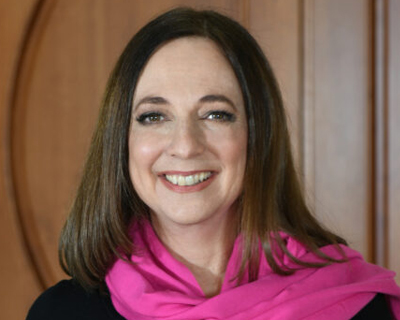
Susan Cain

Susan Cain

Quiet Leadership Speaker and New York Times Bestselling Author

In-Person Fee Range:
$50,001 - $75,000
Fee Details
Virtual Fee Range:
Inquire for Fee
Traveling from:
New York
Susan Cain- The Hidden Power Of Sad Songs And Rainy Days

Susan Cain

Quiet Leadership Speaker and New York Times Bestselling Author

In-Person Fee Range:
$50,001 - $75,000
Fee Details
Virtual Fee Range:
Inquire for Fee
Traveling from:
New York

Why Book

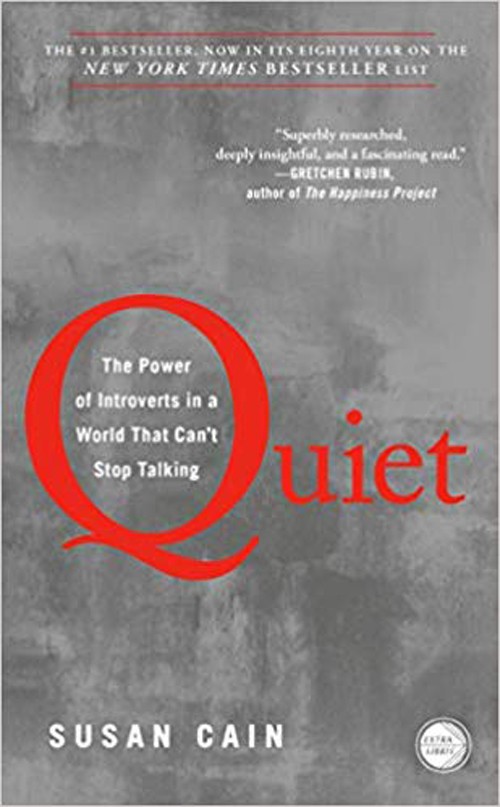
  • New York Times bestselling author of Quiet Power: The Secret Strengths of Introverts and Quiet: The Power of Introverts in A World That Can’t Stop Talking
  • Her TED talks on the power of introverts and the hidden power of sad songs and rainy days have been viewed over 50 million times on TED and YouTube combined.
  • Client list includes: Microsoft, Google, the U.S. Treasury, the S.E.C., Harvard, Yale, West Point and the US Naval Academy

Biography

Susan Cain is the author of the global sensation and #1 New York Times Bestseller QUIET, and the instant #1 New York Times Bestseller BITTERSWEET, an Oprah Book Club Selection, and a children’s book called LUCKY AND NORMAN.

Susan Cain has spent the last twenty years exploring a particular realm of human nature: the quiet, the sensitive, the thoughtful, the bittersweet. It has always seemed clear to her – and to her millions of readers – that this way of being can lead to a richer, deeper form of happiness.

Susan has also been named one of Watkins’ Most Spiritually Influential Living People in the World, and LinkedIn named Susan the Top 6th Influencer in the World. Her books have been translated into 40+ languages, and her record-smashing TED talks have been viewed over 50 million times on TED and YouTube combined.

Read More

Programs

Bittersweet: The Surprising Key to Creativity, Connection, and Authenticity

If you’ve ever wondered why you like sad music . . .
If you find comfort or inspiration in a rainy day . . .
If you react intensely to music, art, nature, and beauty . . .
Then you probably identify with the bitter­sweet state of mind.

Bittersweetness is a tendency to states of long­ing, poignancy, and sorrow; an acute aware­ness of the passing of time; and a curiously piercing joy at the beauty of the world. It recognizes that light and dark, birth and death —bitter and sweet—are forever paired.

With her bestselling phenomenon, Quiet, Susan Cain urged our society to cultivate space for the undervalued, indispensable introverts among us, thereby revealing an un­tapped power hidden in plain sight. Now she explores why we experience sorrow and longing, and how embracing the bittersweetness at the heart of life is the true path to creativity, con­nection, and authenticity. Susan shows how a bittersweet state of mind is the quiet force that helps us transcend our personal and collective pain. If we don’t acknowledge our own heartache, we can end up inflicting it on others. But if we realize that all humans know—or will know—loss and suffering, we can turn toward one another.

At a time of collective loss, profound discord, and personal anxiety, Bittersweet brings us together in deep and unexpected ways. Using her trademark mix of stories, research, memoir, practical tips, and inspiration, Susan will show you the power of a “Bittersweet” work culture, including:

  • How the expression of sorrow, as well as joy, is key to deep creativity and genuine connection.
  • Case studies of organizations, from hospitals to oil rigs, that have transformed their cultures – and smashed productivity records – by creating “bittersweet” cultures.
  • An analysis of everything from Harry Potter novels to fashion photography to reveal what creativity really is – including its surprising relationship to longing, sorrow, and rising above our limitations.
  • How you can use these insights and actionable steps to build true connection and foster a more creative and mutually supportive work environment.
Quiet Leadership: How to Harness the Strengths of Introverts to Change How We Work, Lead, Learn, and Innovate

Did you know introverted leaders often deliver better results than extroverted leaders do? That the most spectacularly creative people tend to be introverts? That the most innovative thinking happens alone and not in teams? One of the central challenges of any business is to bring out the best in its employees. Yet when it comes to introverts—who make up a third to a half of the workforce—our leadership strategy mainly consists of asking them to act like extroverts. This is a serious waste of talent and energy.

In her enlightening, relatable, and practical talks, Susan Cain shows us that introverts think and work in ways that are crucial to the survival of today’s organizations. How can you structure your organization so that the best ideas—rather than those of the most vocal and assertive people—dominate? How do introverts and extroverts solve problems and evaluate risk differently? What do introverts know about creativity that the rest of us should learn? Drawing on her original research and the latest in neuroscience and psychology, Susan will radically change your view of the best ways to develop leaders, manage teams, make smart hires, and stimulate innovation.

How to choose and cultivate leaders wisely

What are the unique leadership strengths of introverts and extroverts? We tend to be blinded by charisma when choosing leaders, and introverts are routinely passed over for leadership positions. Yet research shows that introverted leaders deliver equal or superior results, depending on the business situation, and that the status quo amounts to a colossal waste of talent: – Study by U Chicago, Harvard and Stanford, of 4,591 CEOs of publicly traded U.S. companies, found that extroverted CEOs run companies with a 2% lower return on assets. Introverted CEOs ran companies that outperformed their peers as a whole. – Jim Collins (author of Good to Great) reviewed the top 11 best-performing companies in the country at the time of his study; all of them were led by CEOs described as quiet, unassuming, soft-spoken, even shy. – Study of pizza chains by Wharton professor Adam Grant tracked store profits over multiple months. On average, no difference between profitability of stores led by introverts and extroverts —-and when leading proactive employees, introverted leaders brought in 14 percent higher profits (with passive employees, extroverted leaders were 16 percent more profitable). Charismatic leaders may earn more, but don’t deliver better results.

How to best balance the need for solitude & teamwork to stimulate innovation

We live in a cultural moment that I call the New Groupthink, in which we believe that creativity and innovation is produced in teams, together. There’s plenty of truth in this. But look at the research on the creative power of solitude: – Study of 56 adults found that after spending four days immersed in nature, participants improved their performance on a creative problem-solving task by 50% – When the psychologists Mihaly Csikszentmihalyi and Gregory Feist studied the lives of the mostcreative people across a variety of fields, they almost always found visionaries who were introverted enough to spend large chunks of time alone.

How and when to stretch outside our comfort zones

There’s a fine line between stretching outside our comfort zones, and turning ourselves inside out/burning out. This applies to extroverts as well as introverts. How should we all walk this line? How can we make sure to restore our energy after spending lots of time outside those zones? The psychological literature has concrete answers to these questions.

How to harness the best of everyone’s ideas

In your typical meeting, 3 people do 70% of the talking, according to a study by Kellogg Business School. How can you design and run meetings so that you get the best of everyone’s ideas? If you’re an introvert, how can you make your voice and ideas heard? If you’re an extrovert, how can you ensure that you’re hearing from everyone? We know that brainstorming doesn’t work – a study of over 800 teams showed that individuals are more likely than groups to generate a higher number of original ideas. So what should you do? And here’s Steve Wozniak, inventor of the Apple PC:

“[A]rtists work best alone—best outside of corporate environments, best where they can control an invention’s design without a lot of other people designing it for marketing or some other committee. I don’t believe anything really revolutionary has ever been invented by committee.”

How to overcome any fear

We all have fears, and so do our colleagues, and they dramatically impede our progress in the world. Susan uses the #1 fear of public speaking to illustrate the latest research on fear desensitization and offers practical tips and strategies that can be applied to overcoming any fear.

Frequently Asked Questions

1. Who is Susan Cain?

Susan Cain is a bestselling author, keynote speaker, and thought leader known for her work on introversion, quiet leadership, creativity, and the power of individual differences. She is the author of Quiet: The Power of Introverts in a World That Can’t Stop Talking, which became an international bestseller and sparked a global conversation about the value of introverts in workplaces, schools, and society. Susan is also the co-founder of Quiet Revolution, an organization dedicated to helping individuals and organizations better understand and support different personality styles. Her work has influenced how leaders think about collaboration, innovation, and creating environments where all individuals can thrive.

2. What does Susan Cain speak about?

Susan Cain speaks about introversion, leadership, workplace culture, creativity, innovation, collaboration, and psychological safety. Her presentations explore how organizations can better recognize and leverage the strengths of different personality types while creating environments where both introverts and extroverts can contribute effectively. Susan shares research-based insights on how quiet individuals bring valuable perspectives, creativity, focus, and thoughtful decision-making to teams and organizations.

3. What audiences is Susan Cain best suited for?

Susan Cain is best suited for corporate leaders, executives, human resources professionals, educators, managers, professional associations, and organizations seeking to improve collaboration and workplace culture. Her presentations are especially valuable for teams focused on inclusion, employee engagement, leadership development, creativity, and maximizing the strengths of diverse personalities. Susan’s message resonates with organizations looking to create environments where employees feel valued, understood, and empowered to contribute in ways that align with their natural strengths.

4. What makes Susan Cain different from other motivational speakers?

Susan Cain stands out because she combines groundbreaking research, storytelling, and cultural insight to challenge traditional ideas about leadership and success. Rather than promoting a one-size-fits-all approach to communication and teamwork, she helps audiences understand the importance of embracing different working styles and perspectives. Her ability to transform academic research into relatable, practical lessons allows organizations to rethink how they approach leadership, innovation, and collaboration.

5. How do I book Susan Cain for an event?

To check Susan Cain’s availability or request a quote, call 973-313-9800, email info@eaglestalent.com, or visit Eagles Talent Speakers Bureau and complete the booking inquiry form on her speaker profile page.

6. What are Susan Cain’s speaking fees?

Susan Cain’s speaking fee varies depending on the event format, location, audience size, and specific program requirements. To receive an exact quote, contact Eagles Talent Speakers Bureau by calling 973-313-9800, emailing info@eaglestalent.com, or submitting a check availability request through her speaker profile page.

7. Can Susan Cain customize the keynote for my audience?

Yes. Susan Cain customizes her keynote presentations to align with an organization’s goals, audience, and specific challenges. She can tailor her message around topics such as leadership, workplace culture, creativity, collaboration, inclusion, and employee engagement. Her customized approach helps organizations apply the principles from her research to their own teams and workplace environments.

8. What do audiences say about Susan Cain’s presentations?

Audiences describe Susan Cain’s presentations as insightful, inspiring, and thought-provoking. Attendees appreciate her ability to combine compelling storytelling with research-backed insights that challenge traditional assumptions about leadership and success. Organizations value her ability to help teams better understand one another, embrace different perspectives, and create more inclusive environments where all individuals can contribute their best work.

NEED MORE IDEAS?

We are here to help.
Speak with our experienced Program Consultants.

Call us or Live Chat Below

NEED MORE IDEAS?

We are here to help.
Speak with our experienced Program Consultants.

Call us or Live Chat Below

NEED MORE IDEAS?

We are here to help.
Speak with our experienced Program Consultants.

Call us or Live Chat Below

NEED MORE IDEAS?

We are here to help.
Speak with our experienced Program Consultants.

Call us or Live Chat Below

NEED MORE IDEAS?

We are here to help.
Speak with our experienced Program Consultants.

Call us or Live Chat Below