TOPIC
X
IN-PERSON FEE RANGE
X
SPEAKER LOCATION
X
SELECT PROGRAM
X
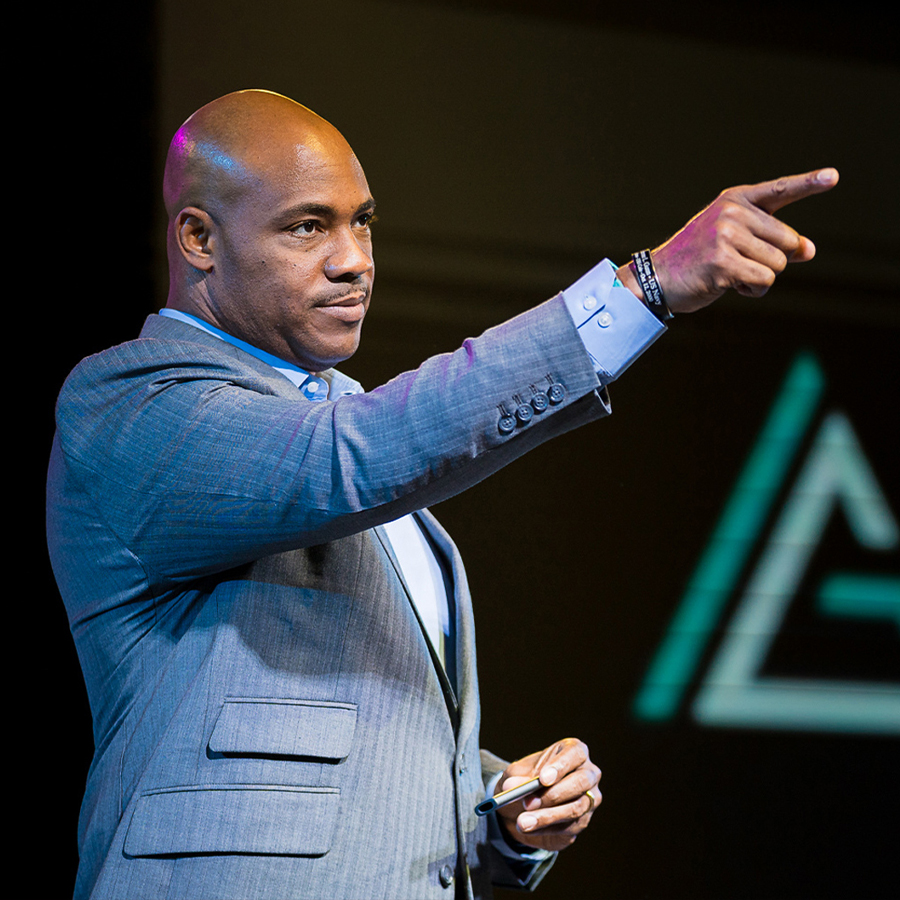
Dr. James Hewitt

Dr. James Hewitt

Keynote Speaker on Peak Performance Under Pressure

In-Person Fee Range:
$15,001 - $20,000
Fee Details
Virtual Fee Range:
Inquire for Fee
Traveling from:
United Kingdom
Dr. James Hewitt —Speaker Reel- Performing Under Pressure In The Age Of AI

Dr. James Hewitt

Keynote Speaker on Peak Performance Under Pressure

In-Person Fee Range:
$15,001 - $20,000
Fee Details
Virtual Fee Range:
Inquire for Fee
Traveling from:
United Kingdom

Why Book

  • A memorable and compelling blend of science, storytelling and entertaining stagecraft, including an optional live brain-monitoring demonstration.
  • Inspiring and informative anecdotes that take the audience behind the scenes of high-stakes moments.
  • Practical tools and frameworks the audience can apply beyond the keynote.

Biography

Dr. James Hewitt is a Human Performance Scientist. For two decades he has studied what separates people who thrive under pressure from those who struggle, first as a full-time racing cyclist and later as a PhD researcher and Chief Innovation Officer for the coaching company behind 19 Formula 1 World Championships.

Today, Dr. James Hewitt brings what he has learned from the world’s top performers to his keynotes, which tackle the questions every business is asking: how to prepare teams to deliver their best under pressure, how to use AI while keeping human thinking where it counts, and how to protect focus and energy in an always-on workplace. And James’ understanding of pressure isn’t only professional. When he faced and fought back from cancer, he learned firsthand what high-stakes moments do to the mind and body.

James is the bestselling author of Regenerative Performance and continues to advise F1 teams and Fortune 500 companies through his consultancy, the Knowledge Work Lab. He has spoken in 35+ countries, including three World Economic Forum Annual Meetings and the Global Leadership Summit.

Read More

Programs

Regenerative Performance: Reclaim capacity, protect focus and build a performance rhythm people can sustain.

James puts his finger on the pulse of always-on work, sharing experiences that feel uncomfortably familiar. Before your feet touch the floor, you’re checking email. Deep work is pushed to the margins by meetings that should have been emails. By bedtime, your brain refuses to switch off.

Always-on work has become a global epidemic, draining capacity and impairing the recovery that produces our best ideas and differentiates humans in an AI-driven workplace.

James discovered the alternative, first as a full-time racing cyclist, then as an endurance coach to riders with demanding careers: We need to treat knowledge work as a cognitive endurance activity, combining deliberate effort with effective recovery to unlock sustained high performance and avoid the traps of burning out or checking out.

Regenerative Performance equips and inspires audiences to redesign the rhythm of work: from scattered to efficient, distracted to focused and exhausted to energized.

THIS KEYNOTE IS PERFECT FOR:

  • Always-on, global, hybrid or client-service organizations.
  • Teams experiencing overload fragmented attention, burnout risk or disengagement.
  • Leaders who want productivity, wellbeing and retention treated as one system.
  • Businesses building for the long term and committed to creating a workplace where high performance is sustainable.

Cognitive Gears™️ provides a framework for identifying:

  • High Gear: Protect time for the demanding work that deserves your best attention.
  • Middle Gear: Contain the meetings, messages and switching that expand to fill the day.
  • Low Gear: Recharge proactively, so energy and perspective can return.

Dr. James Hewitt’s work on Regenerative Performance began with a question he could not ignore: what happens when work spends capacity faster than people can restore it?

His PhD at Loughborough University examined always-on work, his experience spans Formula 1 and global leadership teams, and his bestselling book (Regenerative Performance) brings those lessons together.

What The Audience Leaves With:

  • An attention audit: A tool to map a week and see where attention and energy are really going.
  • A time-rescue plan: Rescue time from distracted Middle Gear and reinvest it in focused High Gear work.
  • A roadmap for recharging: Create team norms that make recovery possible, even when work is demanding.
The Pit Stop Principle: Learn how the best teams prepare to deliver their highest performance under pressure.
Pressure is inevitable, but your team’s performance can be trained and improved.

A Formula 1 pit stop takes under two seconds. Twenty people lift the car, change four tyres and send it back into the race, hundreds of times a season, with the result riding on it. James takes your audience behind the scenes to show how they do it, and what any team can learn from them.

Every organization has its own version of a pit stop: the launch, the results announcement, the negotiation, the client presentation that has to land.

Most organizations hope their best people will rise to the occasion, with mixed results when the pressure hits. The best prepare them to. James has built that preparation into a method he has applied with F1 teams and businesses in over 35 countries.

The Pit Stop Principle equips leaders and teams with the methods Formula 1 crews use to deliver their best when the stakes are highest.

THIS KEYNOTE IS PERFECT FOR:

  • Leadership events, sales kick-offs or all-hands meetings aimed at raising performance, together.
  • Leaders and teams who perform in environments of high change, high demand or high visibility.
  • Organizations preparing for launches, results, negotiations or transformation.
  • Building a culture that thrives under pressure: Creating an environment where people perform at their best, not just endure the pace.
 The keynote’s signature model, the 3C Resource Map™, reveals where a team is strong and which areas are vulnerable to cracking under pressure. Optional live brain monitoring demonstrates to the audience what pressure actually looks like in real time.

The 3C Resource Map™️ reveals:

  • Capacity: The physical, cognitive and emotional energy each person brings to the moment, and how to build it before you need it.
  • Control: The mental skills which turn the pressure response into focus and useful energy.
  • Co-ordination: The Plan–Brief–Execute–Debrief cycle, which gives teams a shared picture, clear roles and a way to get better every time.

Dr. James Hewitt is the former Chief Innovation Officer for the coaching company behind 19 Formula 1 World Championships, and he continues to advise F1 teams today. He holds a PhD in performance science and has applied his methods with organisations in over 35 countries. His bestselling book, Regenerative Performance, sets out the science behind his work.

What changes:

  • Better prepared: From hoping people rise to the occasion to preparing them for it.
  • Sharper focus under pressure: From pressure as a threat to pressure as a source of focus and energy.
  • Tighter co-ordination: From capable individuals pulling in different directions to one team with a shared language and a way to improve together.

What the audience leaves with:

  • Capacity: A Capacity Check to run before a launch, a deadline or a demanding week.
  • Control: A practical way to reframe stress and use it as a fuel for growth.
  • Co-ordination: The Plan–Brief–Execute–Debrief cycle to capture learning, prepare for the next high-stakes moment, and keep improving.
Peak Performance in the Age of Distraction: For leaders and teams who need to think clearly when everything is competing for their attention
We don’t have a time problem. We have an attention problem.

If you’ve ever finished a full day and thought, “I was busy the whole time… so why do I feel like I didn’t make any progress?” you’re not alone. Modern work pulls our focus into tiny pieces: messages, meetings, quick replies, constant context-switching. And when attention breaks, decisions get worse, patience gets shorter, and the work you actually care about keeps sliding to tomorrow.

This keynote shows leaders and teams how to protect the focus that drives their best work, using simple habits and team norms that make deep thinking possible again, so decisions sharpen, priorities stick, and the work that matters gets done.

THIS KEYNOTE IS PERFECT FOR LEADERS AND TEAMS WHO ARE:
  • Constantly interrupted, struggling to sustain deep work amid messages, meetings, and notifications.
  • Working harder but feeling behind, overloaded by speed, ambiguity, and growing demands.
  • Ready to redesign how they work, not just add another productivity hack to an already full plate.

Expect a fast-moving, engaging, and appropriately humorous session where you’ll experience the pull of distraction and learn how to overcome it. James combines storytelling, interactive experiments, and optional live brain monitoring to demonstrate distraction in action. He then shares simple yet powerful frameworks and practical strategies to help individuals and teams establish better habits, improve focus, save time, and re-energize their teams.

This isn’t generic productivity advice. James is a PhD performance scientist who studies cognitive performance in knowledge work and has applied these methods with elite teams and global organizations, from F1 teams to Fortune 500 companies. You’ll find practical tools, not theory, plus, a simple takeaway sheet to embed what you learn.

Audience Outcomes:

  • Cut digital debt and false urgency: Reduce email-driven overwhelm, trim unnecessary meetings with simple team norms, and use AI where it genuinely saves time, freeing up hundreds of hours a year.
  • Reclaim deep work (and the satisfaction that comes with it) Identify your best focus windows, protect sustained attention, and make meaningful progress on high-priority work, not just more activity.
  • Re-energize with smarter breaks and better sleep: Practical daytime breaks and sleep habits that improve cognitive performance, so teams feel sharper, not just busier, and actually have energy left at the end of the day.
The Future of Performance In The Age of AI: Use AI where it accelerates performance, and keep human thinking where it counts.
Use AI to make work more effective, not just more busy.

James speaks to scenarios many people now recognise in ‘AI-enabled workplaces’. One colleague has become a LinkedIn “thought leader”, but you’re pretty sure most of the leading thoughts are from ChatGPT. Reports arrive with more polish, but the logic is thin and the author can’t explain how they reached their conclusion.

This is the adoption paradox. Using AI more can produce more output without better work, and erode skills people no longer practice. So the question is not how much people use AI; it is whether AI makes the work better and the people doing it more capable.

James shares insights, case studies and practical tools from his work with Formula 1 teams and Fortune 500 companies, showing how people can build AI-employee alliances: using AI at depth while keeping ownership of the thinking that makes their work valuable.

The Future of Performance in the Age of AI shows audiences how to move beyond uncritical enthusiasm or blanket skepticism, and use AI deeply while strengthening the judgement, originality and accountability that AI can’t provide.

THIS KEYNOTE IS PERFECT FOR:

  • Businesses turning AI pilots and licences into everyday behavior.
  • Teams where weak AI output can damage decisions, client work or trust.
  • All-hands events about transformation, professional judgement and workforce skills.
  • Leaders preparing their people for what’s next.
This keynote’s signature model, the AI Integration Matrix™, makes your team’s AI adoption patterns visible across two dimensions: depth of AI adoption and cognitive ownership. Its four modes—Observer, Cautious Adopter, Accelerator, and Strategist—turn vague technology debates into practical conversations about human performance and effective AI integration.
The AI Integration Matrix™️:
  • The diagnosis: Identify where you and your team’s adoption pattern.
  • The action: Introduce a Provocation Checkpoint: Am I trying to grow or just get it done? What would I challenge? Whose perspective is missing?
  • The destination: High adoption and high cognitive ownership: people use AI extensively, but still selectively and critically.

Dr. James Hewitt is a performance scientist (PhD, Loughborough University) and the former Chief Innovation Officer for the coaching company behind 19 Formula 1 World Championships. The AI Integration Matrix™️ grew out of his research with leadership cohorts at a global consulting firm on how people adopt AI and what it does to their thinking.

What Changes:

  • More purposeful use: From uneven AI adoption to confident, purposeful use across the team.
  • Sharper judgement: From unthinking cognitive offloading to stronger human judgement and learning.
  • Better output: From faster output to better work people can explain and defend.

What The Audience Leaves With:

  • A team diagnosis: Identify the adoption mode shaping team behaviour, and the risk attached to it.
  • The delegate-or-coach test: Decide when to delegate to AI and when to use it as a coach that builds capability.
  • The Provocation Checkpoint: Challenge and verify AI output before it reaches a decision or a client.

Dr. James Hewitt Review

From the moment James stepped onto the stage to his closing remarks, the audience was gripped. James is able to combine elements of his work in sports, science, and the corporate world to provide an engaging presentation.”

— Global Head of Marketing & Communications, QuantumBlack, a McKinsey company

Frequently Asked Questions

1. What does James speak about?

James speaks about performance under pressure and the future of work: how leaders and teams build their capacity, protect their judgment and perform together as demands rise, attention is stretched, and AI changes how we work. His core message: pressure is inevitable, but performance is trainable.

Most organizations hope their best people will rise to the occasion rather than preparing them for it. AI, used badly, can produce more output without better work, and erode the skills people stop practicing. James shows audiences how to build the capacity to sustain high performance, use AI in a way that strengthens their judgment, and prepare to perform together when it counts.

2. What makes James different from other performance/wellbeing speakers?

Most performance speakers offer inspiration or science; rarely both, and almost never with real-world credibility to back it up. James brings all three. He developed his methods working with Formula 1 teams, earned a PhD in performance science, and has personally faced high-stakes pressure through his own experience of cancer.

The result: keynotes that are scientifically rigorous, deeply human, and immediately practical. Add to that his stagecraft, including live neurotechnology demonstrations, and you get a keynote that’s as entertaining as it is useful. Audiences leave with tools they’ll actually use.

3. Who is James' ideal audience?

Best fit audiences are typically Directors to C-suite leaders, high-performing teams in fast-paced environments (sales, consulting, finance, tech, healthcare, ops), and organizations navigating high change, high demand, or high visibility moments.

4. What problem does he solve in business terms?

Organizations book James for several reasons: Some organizations book James when things are going well, and they want to raise performance for a key moment: a sales kick-off, a leadership summit or a major launch.

Others bring him in when the pressure is starting to show. Leaders are stretched and reactive, focus is fragmented, and high-stakes moments such as launches, deadlines and client presentations don’t land as they should. Burnout risk is rising, but lowering standards isn’t an option.

Many have also invested in AI and are seeing more output without better work.

James equips organizations to get more from the people and technology they already have: sustaining performance without burning people out, turning AI adoption into better work, and delivering when the stakes are highest.

NEED MORE IDEAS?

We are here to help.
Speak with our experienced Program Consultants.

Call us or Live Chat Below

NEED MORE IDEAS?

We are here to help.
Speak with our experienced Program Consultants.

Call us or Live Chat Below

NEED MORE IDEAS?

We are here to help.
Speak with our experienced Program Consultants.

Call us or Live Chat Below

NEED MORE IDEAS?

We are here to help.
Speak with our experienced Program Consultants.

Call us or Live Chat Below

NEED MORE IDEAS?

We are here to help.
Speak with our experienced Program Consultants.

Call us or Live Chat Below